-1920w.webp)
-1280w.webp)
-640w.webp)
Table of Contents
- Introduction
- Why Winter Prep Matters in Missouri
- Water System Preparation
- Engine and Mechanical Systems Prep
- Tires and Exterior Protection
- Interior Cleaning and Pest Prevention
- Boat Storage Preparation Tips
- Final Steps Before Storage Drop-Off
- Conclusion
- Frequently Asked Questions
Key Takeaways
- Water system preparation is the most critical step in preventing freeze damage.
- Mechanical maintenance helps reduce corrosion and fuel system issues during storage.
- Interior cleaning and moisture control help reduce mold and pest risks.
- Proper documentation protects vehicle condition records.
- Preparing early helps avoid rushed or incomplete storage prep.
Introduction
How should you prepare an RV for storage in Missouri? The answer focuses on protecting the vehicle from moisture, freezing temperatures, and long-term inactivity effects. Missouri winters often bring freeze-thaw cycles, humidity, and ice conditions that can damage plumbing, engines, and interiors if preparation is incomplete.
This topic matters because stored RVs represent a major financial investment, and proper preparation helps owners understand how systems behave during long-term storage. This guide provides practical, experience-based maintenance knowledge for responsible vehicle storage planning.
Why Missouri Weather Matters for RV Storage
Seasonal Climate Risks
Missouri winters often include freezing temperatures, moisture buildup, and sudden weather shifts. These conditions can impact plumbing systems, batteries, and rubber seals.
Storage Duration Considerations
Storage prep varies depending on whether you store for a few weeks or the entire off-season. Longer storage periods generally require more detailed maintenance preparation.
Water System Preparation
Drain All Water Tanks
Start by emptying fresh water, gray water, and black water tanks completely. Flushing tanks reduces odor buildup and mineral deposits. Residual moisture inside tanks can freeze and expand during cold weather.
Bypass and Drain the Water Heater
Locate the RV water heater bypass valve. Drain the heater tank before activating the bypass. This prevents antifreeze from entering areas where it is not needed.
Use RV-Grade Antifreeze
Use RV-safe pink antifreeze designed for potable water systems. Run antifreeze through faucets, showerheads, and toilets until the liquid appears throughout the system.
Open Low-Point Drains
Low-point drains allow residual water to exit plumbing lines. Leaving water inside pipes increases the risk of cracking when temperatures drop.
Engine and Mechanical Systems
Add Fuel Stabilizer
If storing for more than a month, fuel stabilizers help slow fuel degradation. Fill the tank before adding stabilizer to reduce condensation buildup.
Perform Oil Maintenance Before Storage
Fresh engine oil contains fewer contaminants compared to used oil. Old oil can contain acids that may contribute to internal corrosion during storage periods.
Check All Fluid Levels
Inspect coolant, brake fluid, and transmission fluids. Coolant should be rated for low temperature ranges common during Missouri winters.
Battery Maintenance Options
Either disconnect batteries or use a maintenance charger. Batteries slowly discharge when left idle for extended periods.
Tires and Exterior Protection
Adjust Tire Pressure
Cold temperatures reduce air pressure inside tires. Inflating toward the higher end of manufacturer recommendations helps reduce flat spots.
Choose Proper Parking Surfaces
Hard surfaces such as concrete or gravel help reduce moisture exposure underneath tires. Grass surfaces may hold moisture longer.
Inspect Roof Seals and Exterior Seams
Check roof seams, window edges, and slide-out seals. Freeze-thaw cycles can slowly widen small cracks over time.
Apply Rubber Protectants
UV protectant treatments help slow rubber aging on seals and tire surfaces. Application typically takes only a short period of time.
Interior Cleaning and Pest Prevention
Remove All Food Items
Food residue attracts pests. Remove canned goods, snacks, and perishable items before storage.
Deep Clean Cooking Areas
Clean stovetops, microwaves, and cabinets thoroughly. Small crumbs can attract insects and rodents during storage.
Use Moisture Absorbers
Moisture control products help reduce humidity buildup inside closed spaces. This helps limit mold and mildew growth risks.
Improve Interior Air Circulation
Leave cabinet doors slightly open to promote airflow. This helps prevent trapped moisture buildup inside cabinetry.
Protect Against Rodents
Seal small openings using steel wool or similar materials. Rodents can enter through very small gaps in exterior structures.
Boat Storage Preparation Tips
Engine Fogging Process
Fogging oil protects internal engine components by creating a protective coating during idle periods.
Release Belt Tension
Drive belts may develop cracks if stored under constant tension. Loosening belts can help reduce stress on components.
Rust Prevention
Apply rust inhibitors to exposed metal components, cables, and control mechanisms.
Bilge Water Removal
Drain and dry bilge areas completely. Water trapped inside can freeze and damage hull components.
Use Breathable Covers
Covers should block rain while still allowing moisture vapor to escape.
Final Steps Before Storage Drop-Off
Take photographs of:
- Exterior panels
- Roof surfaces
- Interior living areas
- Tire conditions
Documentation provides reference points for future inspections.
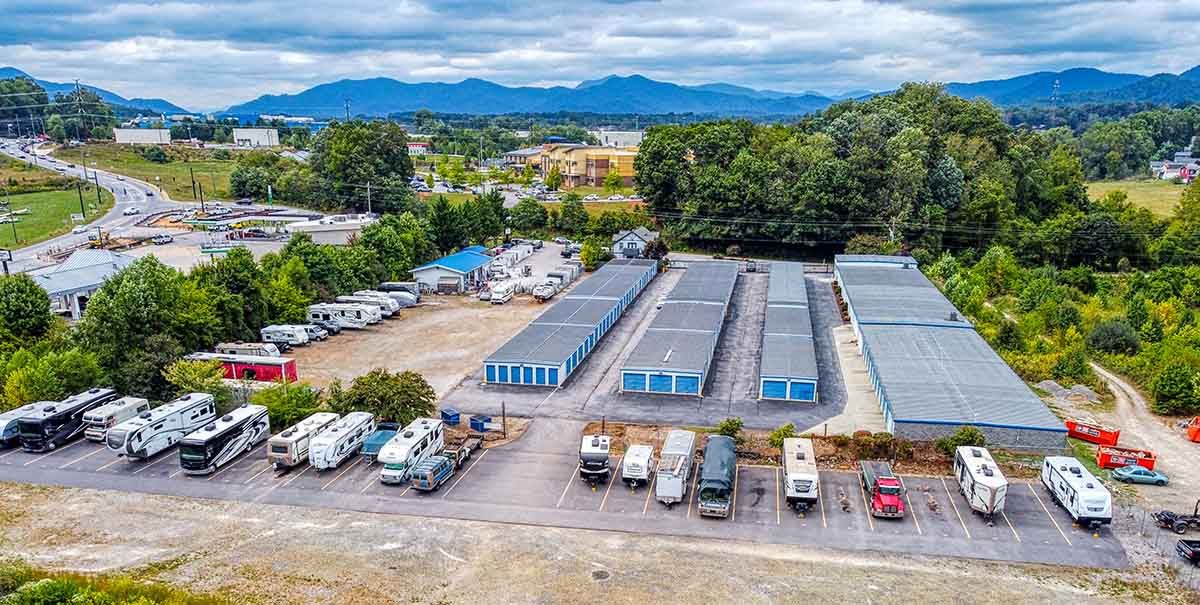
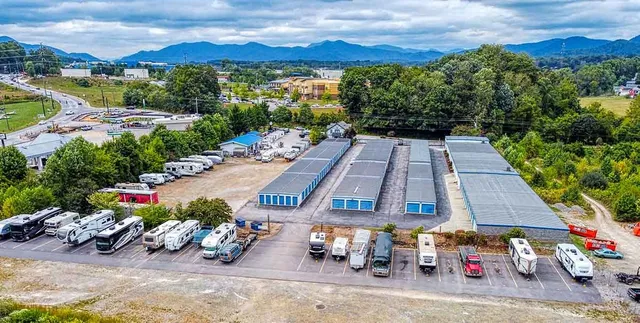
A secure storage facility with gated access and surveillance monitoring adds an extra layer of protection, but personal records remain useful for maintenance tracking.
Conclusion
Preparing an RV for storage in Missouri involves protecting plumbing, mechanical components, tires, and interior spaces from moisture and cold exposure. Understanding how freezing temperatures affect stored vehicles helps owners make more informed maintenance decisions.
Careful preparation can help maintain vehicle condition during long storage periods and simplify spring readiness planning.
Book your storage spot early and follow a systematic prep routine to stay organized and reduce maintenance uncertainty.
Book RV Storage Services
Contact a local storage provider for guidance on vehicle storage requirements and available storage options. Call (636)-500-1638, or email stcharlesrvstorage@gmail.com to learn more about our services.
Frequently Asked Questions
How long can an RV stay in storage without maintenance?
RVs can remain stored for several months, but periodic inspections are recommended to check for moisture, pests, or battery discharge.
Do I need to winterize my RV if I store it indoors?
Yes. Indoor storage may reduce weather exposure but does not eliminate temperature-related risks.
What happens if I forget to drain water systems?
Remaining water may freeze and expand, which can damage pipes, valves, and tanks.
Should I start my RV engine during storage?
Starting engines occasionally may help circulation, but consult manufacturer guidance for specific maintenance recommendations.
When should I prepare my RV for winter storage?
Preparing before the first hard freeze is generally advisable to reduce weather-related damage risks.
Related Posts
-1920w.webp)
-1280w.webp)
-640w.webp)